
A Beginner’s Guide to Sustainable Gifting

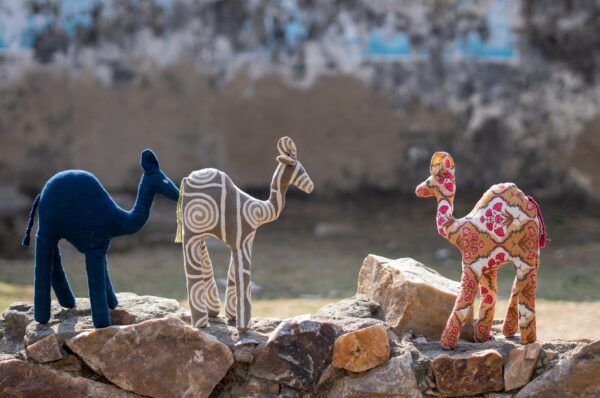
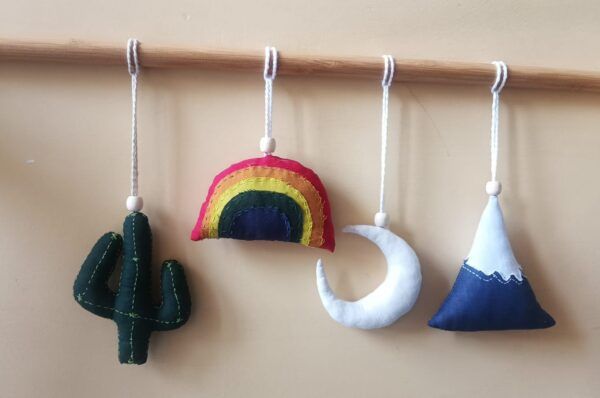
Alt text: A curated flat lay of handmade sustainable gifts from Mysa Jaipur, including fabric toys, scarf and scrunchie
Sustainable gifting means choosing gifts made from responsibly sourced or upcycled materials, crafted by hand rather than mass-produced, and packaged without plastic. It sounds simple, but most gifts sold as “eco-friendly” or “sustainable” only meet one of these conditions, not all three. This guide breaks down what genuinely sustainable gifting looks like, so you can tell the difference before you buy.
What Does Sustainable Gifting Actually Mean?
Sustainable gifting usually points to three things working together: the material, the maker, and the packaging.
A sustainable gift typically uses natural or upcycled material instead of new synthetic material. A woman or a small artisan collective usually makes it by hand, rather than a factory line producing it at scale. And it reaches you without plastic wrapping, plastic tags, or synthetic filler.
When any one of these three pieces is missing, the gift usually isn’t fully sustainable, even if the packaging says otherwise.
Why Is Sustainable Gifting Growing?
More shoppers now actively look for gifts that reflect their values, not just their budget. Corporate teams increasingly tie gifting to CSR and ESG goals, choosing artisan-made products over generic hampers. Festivals like Diwali have also shifted, with more families choosing handmade gifts over mass-produced ones.
This shift matters for both the giver and the maker. A giver gets a gift with a real story to share. An artisan gets fair, ongoing work instead of a one-time transaction.
How Do You Spot a Genuinely Sustainable Gift?
A few honest questions can cut through most greenwashing:
- Can the brand name the material and where it came from?
- Does a real artisan make the product by hand, or does a factory mass-produce it with a handmade look?
- Does the packaging avoid plastic completely, not just the outer layer?
- Does the brand explain who benefits from the sale, beyond a vague “supports artisans” line?
If a brand can answer all four clearly and specifically, the gift is likely genuinely sustainable. If the answers stay vague, the label is probably doing more work than the product.
What Makes a Gift “Handmade” Instead of Just “Handmade-Style”?
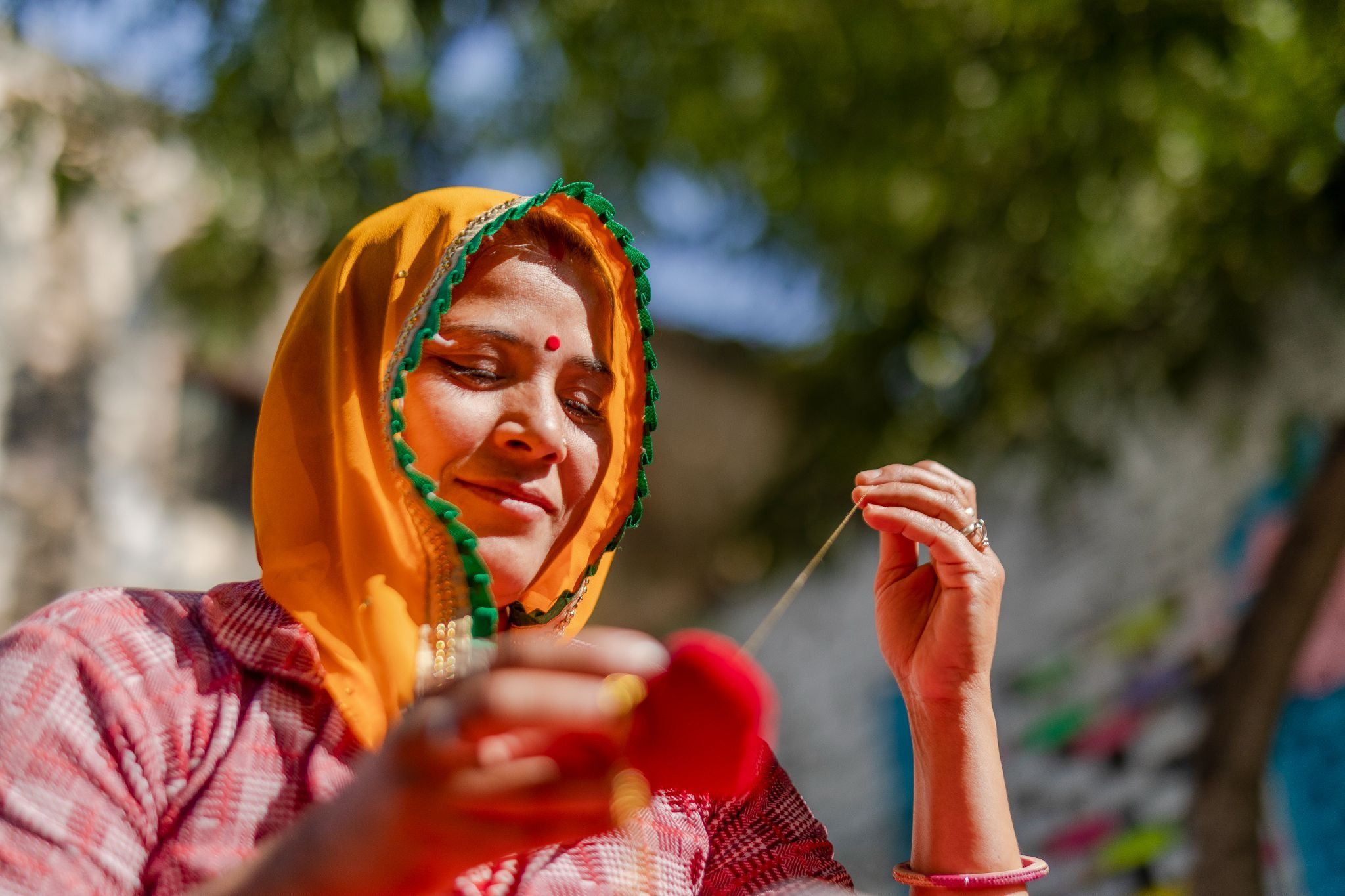
This distinction trips up a lot of shoppers. Many products marketed as handmade actually come from a factory that finishes them with a single hand-applied touch, a stitch, a print, or a knot, added at the very end of an otherwise machine-made process.
Which Occasions Suit Sustainable Gifting Best?
Sustainable gifting works well across almost every occasion, though the right product depends on the moment:
- Festive gifting: handmade textiles, hampers, and artisan-made accessories replace generic sweets and candles.
- Weddings and anniversaries: detailed, hand-embroidered pieces suit occasions that call for something more considered.
- Corporate gifting: curated boxes of handmade products align with CSR goals and leave a stronger impression than branded merchandise.
- Birthdays and baby gifts: soft, handmade fabric toys work especially well for children, and double as keepsakes parents hold onto.
How Do You Start Gifting Sustainably?
Start small. Pick one upcoming occasion and replace the default choice, chocolates, candles, or a generic hamper, with a single handmade piece instead. Notice how the gift gets received differently when it comes with an actual story attached.
If you want specific ideas to start with, we put together 5 sustainable gift ideas that aren’t chocolates or candles, each one chosen for a different kind of occasion.
Bring Intention Into Your Next Gift
Sustainable gifting isn’t about following a trend. It’s about choosing a gift that holds up to a simple question: who made this, and what did it actually cost to make it well?
We wrote more about why this question matters to us and why we believe gifting should tell a story. Every Mysa piece exists to answer that question honestly, one handmade gift at a time.